Neurologyca, a company building the Human Context Layer for intelligent systems, today announced the early access availability of its platform, designed to help AI systems understand and adapt to human context in real time.

AI has become remarkably capable at generating content, reasoning through complex problems, and executing increasingly sophisticated tasks. However, as AI evolves from a set of simple prompt-response tools into agents capable of managing longer workflows and making decisions on behalf of users, one of the biggest obstacles is ensuring that systems stay aligned with users as interactions unfold.
Today's systems can execute tasks with impressive speed and scale, yet they often lack visibility into the evolving human context that determines whether those actions remain aligned with the person they are intended to serve. Subtle shifts in confidence, cognitive load, trust, attention, motivation, decision readiness, or intent can dramatically influence outcomes — but most systems have no reliable way to understand or respond to those changes.
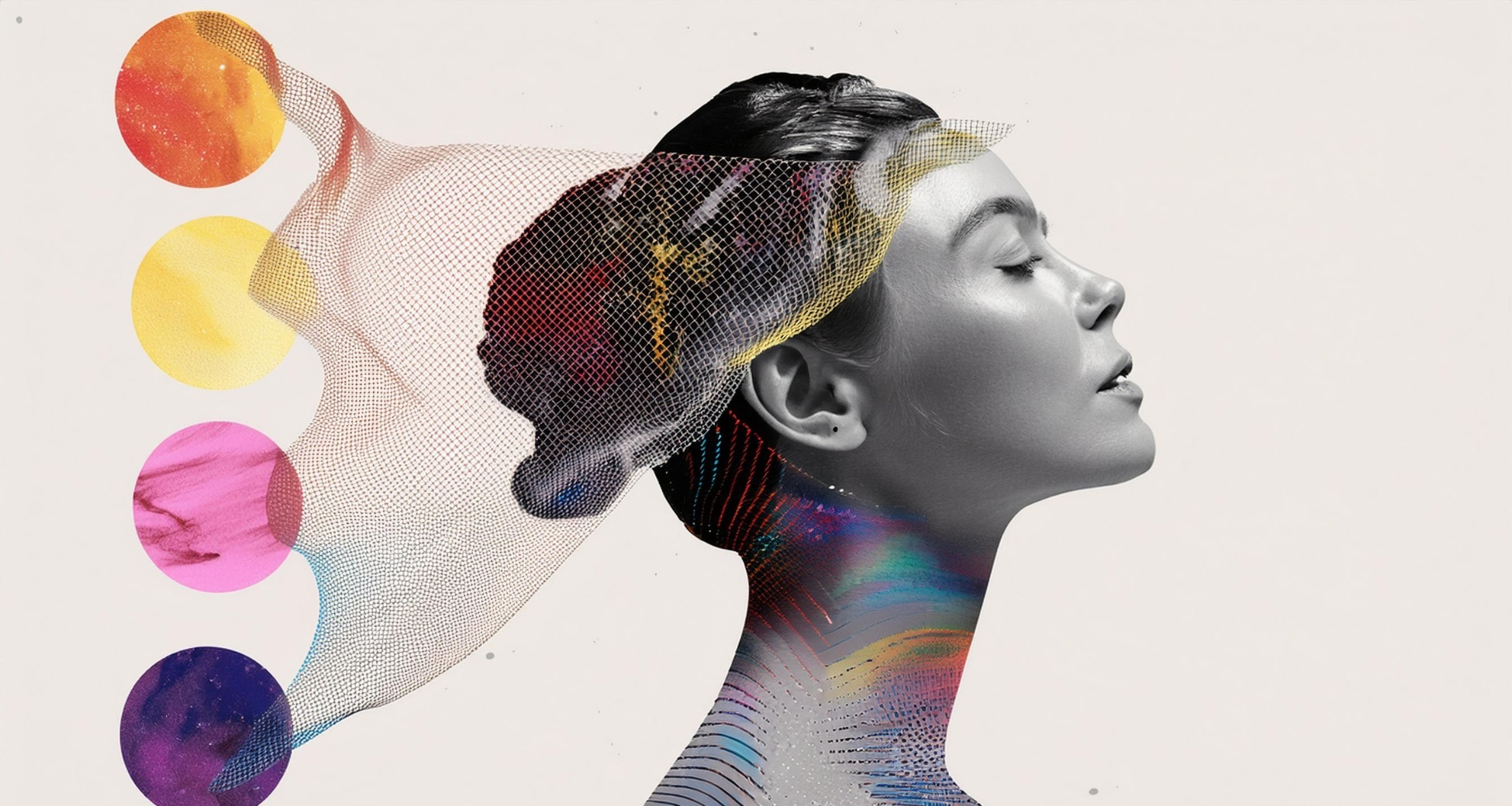
Neurologyca's platform is designed to address that gap. Through a combination of easily deployable APIs and SDKs, the platform transforms human signals, interaction patterns, and situational factors into structured, machine-readable context that intelligent systems can understand and act upon. This allows AI agents and applications to move beyond responding only to explicit inputs and begin adapting to how a person is actually experiencing an interaction in the moment.
That architecture positions Neurologyca as a foundational layer between humans and intelligent systems, translating human context into machine-readable intelligence that can guide behavior, decisions, and interactions in real time.
The company describes this as a "continuous value loop" between humans and machines. Individuals gain visibility into factors shaping their performance, engagement, decision-making, and well-being. AI systems use that same context to adapt responses, pacing, recommendations, and actions. The result is a shared understanding that improves outcomes for both people and intelligent systems.
"AI has become remarkably capable at generating content, reasoning through problems, and completing tasks. The next challenge is helping these systems understand the human context surrounding those interactions. As AI becomes more autonomous, success will depend on whether it can remain aligned with the people it serves. That's the problem Neurologyca was built to solve."
— Juan Graña, CEO of Neurologyca
Neurologyca's platform is designed to support a wide range of applications, including coaching, education, wellness, training, and AI-powered experiences where understanding human context can improve outcomes. In a coaching environment, an AI system could recognize when a user is becoming overwhelmed and adjust its pace. In education, it could identify rising cognitive load and adapt instruction before engagement declines. In more agentic environments, the same underlying layer can help systems remain aligned with a person's preferences, goals, and intent across longer, multi-step workflows.
Rather than pursuing a broad public launch, Neurologyca is entering a selective early access phase focused on a small group of collaborative design partners. The company is seeking to work closely with product teams, enterprises, and platform providers building adaptive AI experiences where real-time human understanding can improve engagement, performance, safety, trust, and user outcomes.
"We're at an inflection point where AI is shifting from answering questions to acting on behalf of people. As delegation increases, maintaining alignment becomes increasingly important. We believe the next layer of the AI stack will be dedicated to understanding human context and helping intelligent systems remain connected to the people they serve throughout an interaction — not just at the moment a prompt is entered."
— Juan Graña, CEO of Neurologyca
Neurologyca is already working with global brands and enterprise partners across multiple markets and believes a new category is emerging within the AI ecosystem: technology that transforms human context into machine-readable intelligence.
As AI systems become more autonomous, this layer will help ensure they remain aligned with human intent, adapt to changing circumstances, and deliver more effective outcomes over time.
With early access now open, Neurologyca is inviting a select group of design partners to explore how real-time human context can improve AI performance, user outcomes, and interaction quality across a growing range of applications.
For more information about Neurologyca's platform and early access opportunities, visit neurologyca.com/build